News
Department of Molecular BIosciences
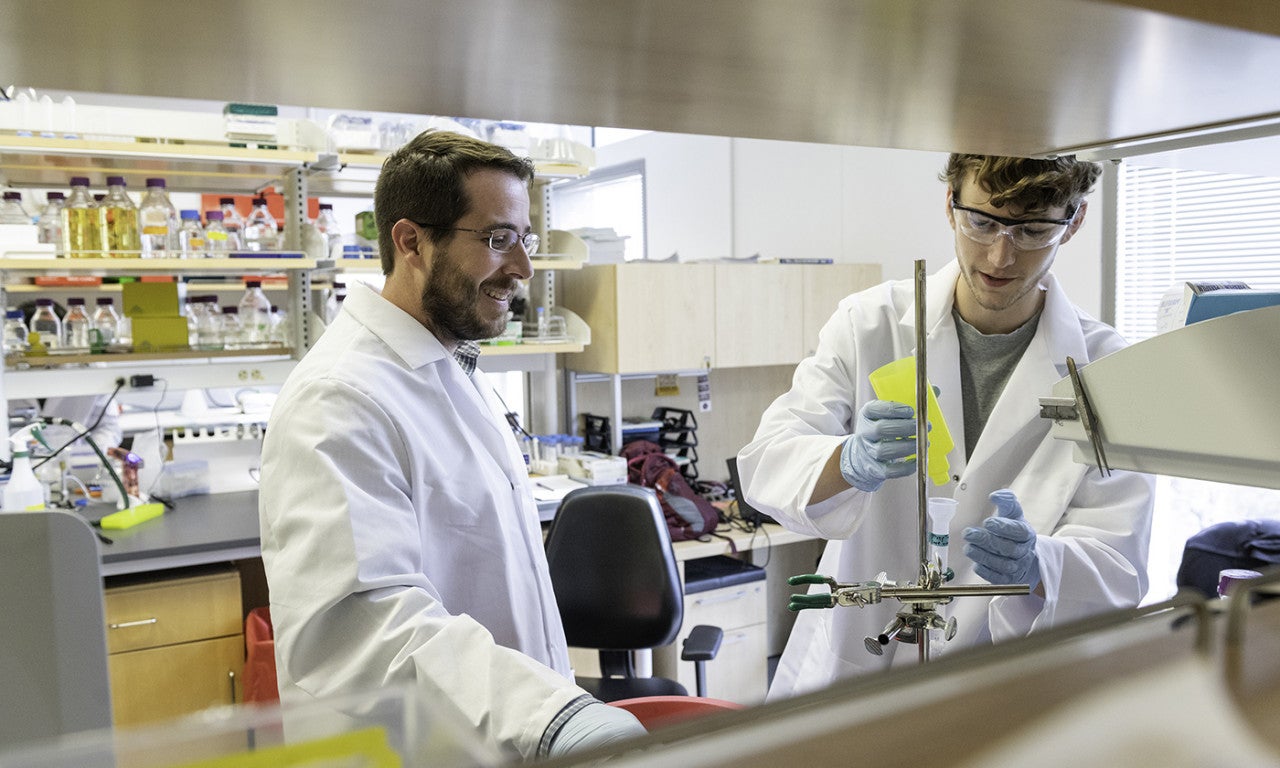
Jason McLellan Named Texas Inventor of the Year
For his role in biomedical research linked to the development of vaccines and treatments for COVID-19, the professor of molecular biosciences won the award given annually by the State Bar of Texas's Intellectual Property Section in recognition of an individual whose invention "has significantly impacted the Texas economy."
Department of Molecular Biosciences
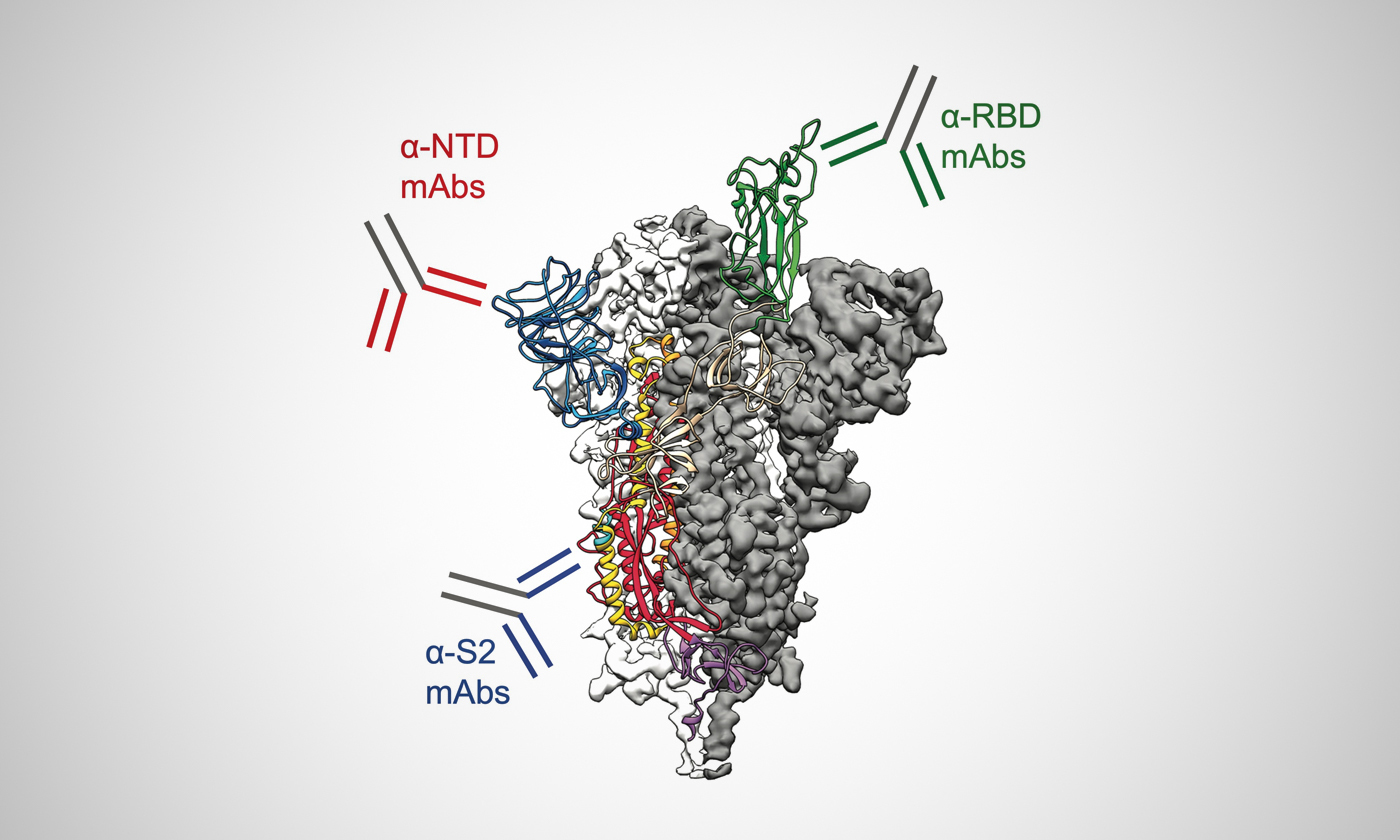
Our Immune Systems Blanket the SARS-CoV-2 Spike Protein with Antibodies
Most antibodies against SARS-CoV-2 circulating in the blood target areas of the viral spike protein outside the receptor binding domain, or RBD
Department of Molecular Biosciences
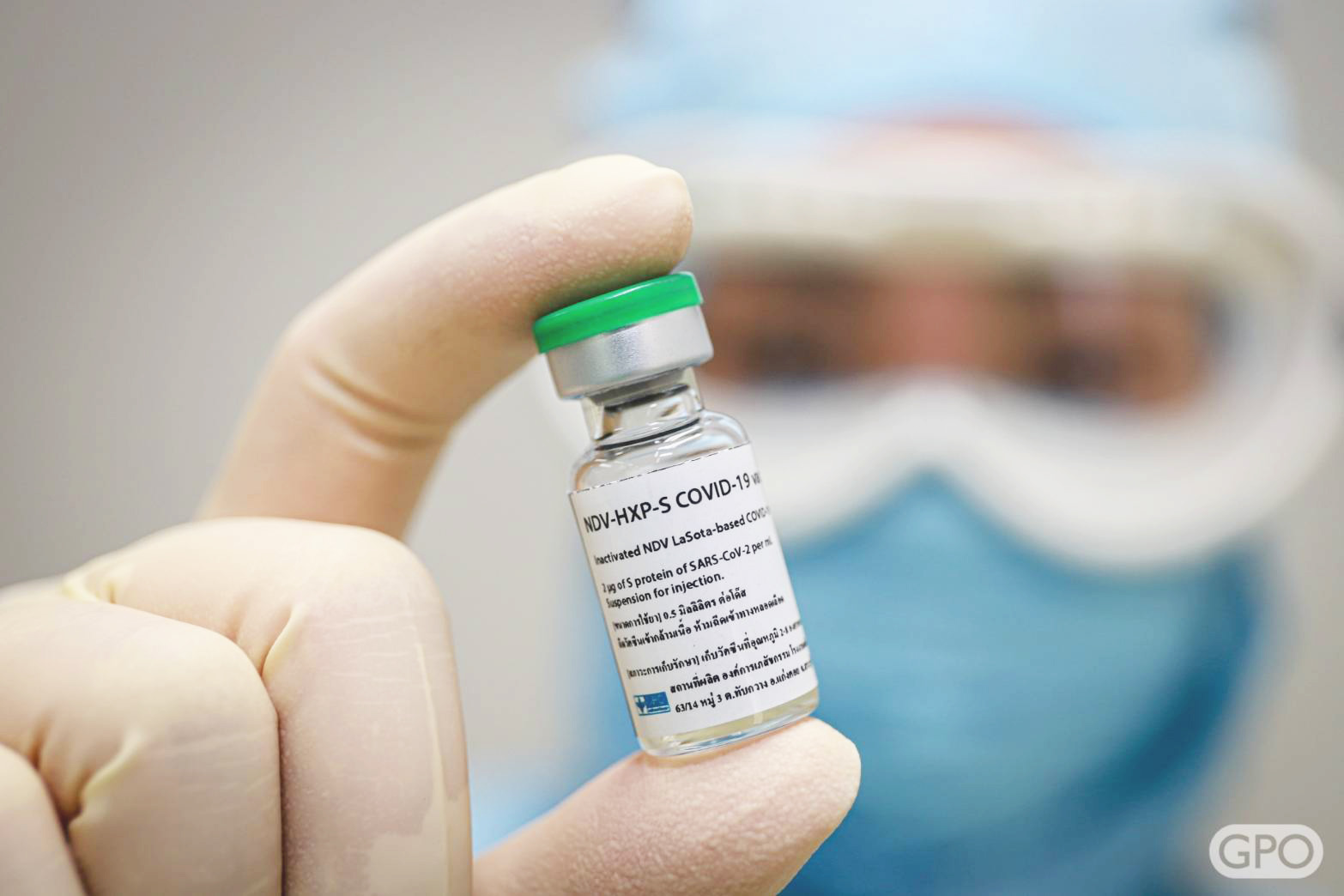
Human Trials Begin for a Low-Cost COVID-19 Vaccine to Extend Global Access
A COVID-19 vaccine in human trials in Vietnam, Thailand and Brazil, holds promise for affordable vaccine manufacturing in countries currently dependent on imported vaccines.
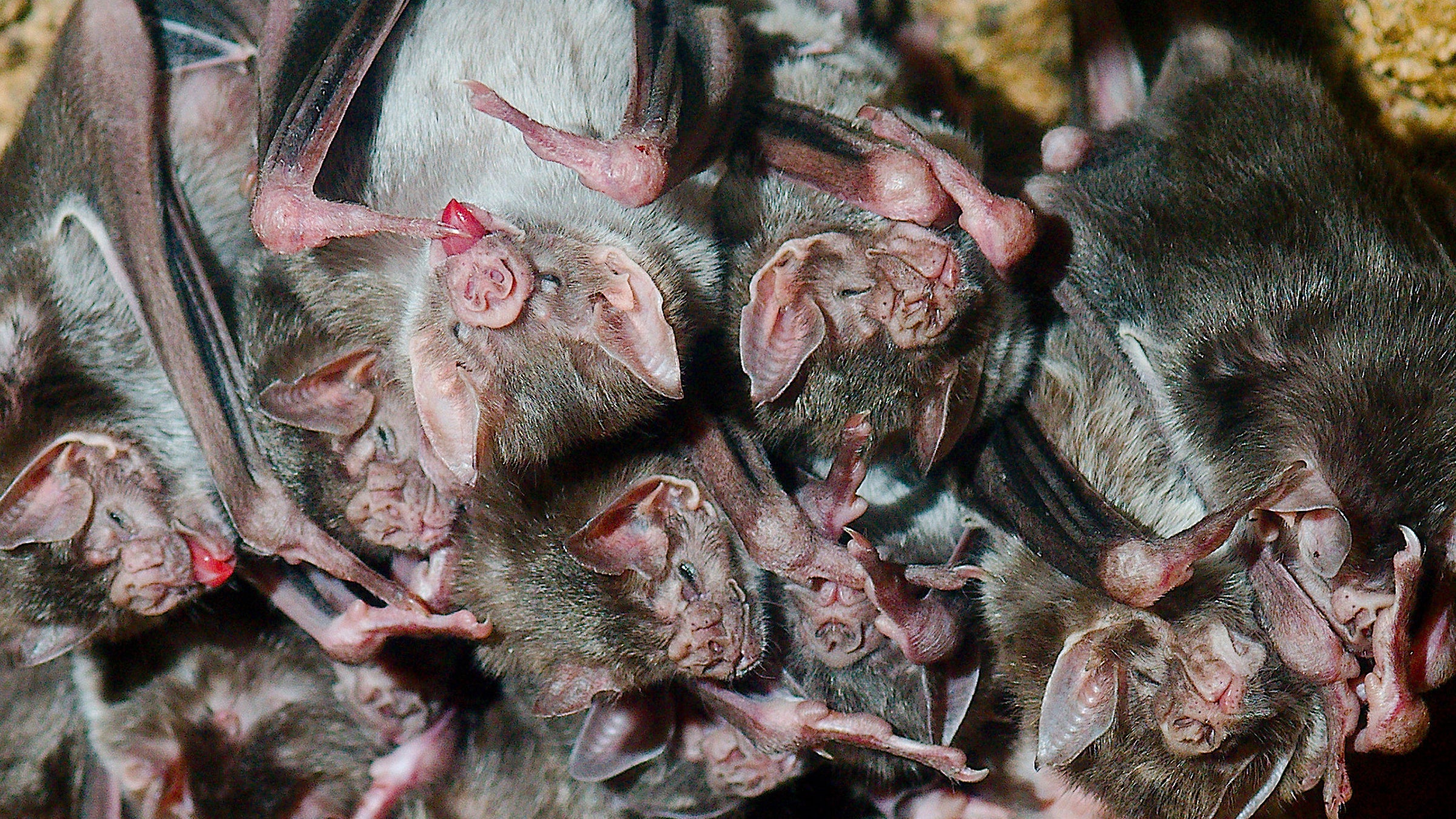
Do Sick Animals Socially Distance?
According to a new review in the journal Science, when highly social animals — such as ants, mice and bats — get sick, their social interactions change, too.
UT News
Texas Coronavirus Scientists Win Award for Research with ‘Great Societal Benefit’
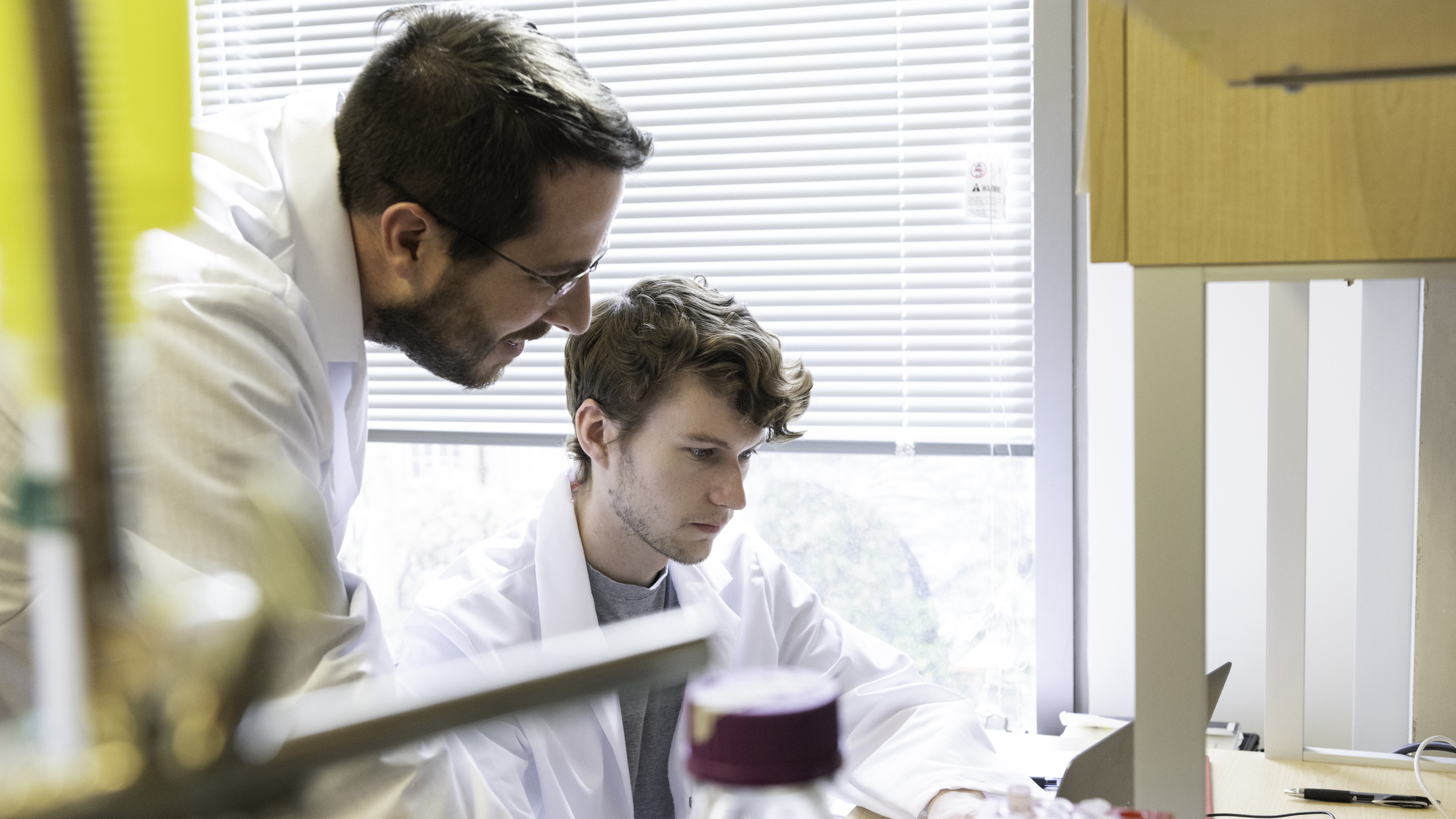
The world’s largest multidisciplinary scientific society has announced that Jason McLellan, a University of Texas at Austin associate professor in the Department of Molecular Biosciences, and Daniel Wrapp, a graduate student fellow, were among seven winners of this year’s Golden Goose Award.
Coronavirus Mutation May Have Made It More Contagious
The virus that causes COVID-19 is accumulating genetic mutations, one of which may have made it more contagious.

Curbing COVID-19 Hospitalizations Requires Attention to Construction Workers
A new study shows how much more likely construction workers are to get diagnosed with COVID-19 compared to non-construction workers

Ask the COVID-19 Experts
An epidemiologist and two molecular bioscientists get to the bottom of your burning COVID-19 questions.

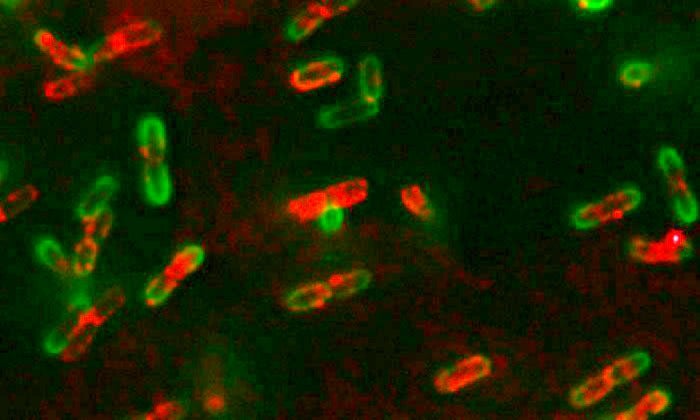
Some Bacteria Sacrifice Themselves to Protect their Brethren from Antibiotics
Discovery may aid the fight against antibiotic resistance.
Department of Molecular Biosciences
COVID-19 Vaccine Innovation Could Dramatically Speed Up Worldwide Production
A redesigned version of the coronavirus spike protein called HexaPro might speed up vaccine production and yield a more effective immune response to SARS-CoV-2.