In Memoriam: Emin Ulug
Emin Ulug, retired Molecular Biosciences Associate Professor of Instruction passed away on September 12 after a long illness.

Re-engineered Antibodies Kill Bacteria Directly
These antibodies use a clever trick to slip deep into a bacteria’s outer membrane, where they can do real damage.

Three UT Austin Faculty Members Selected to the American Association for the Advancement of Science
Ken Keiler studies basic molecular biology with the aim of developing new antibiotics.

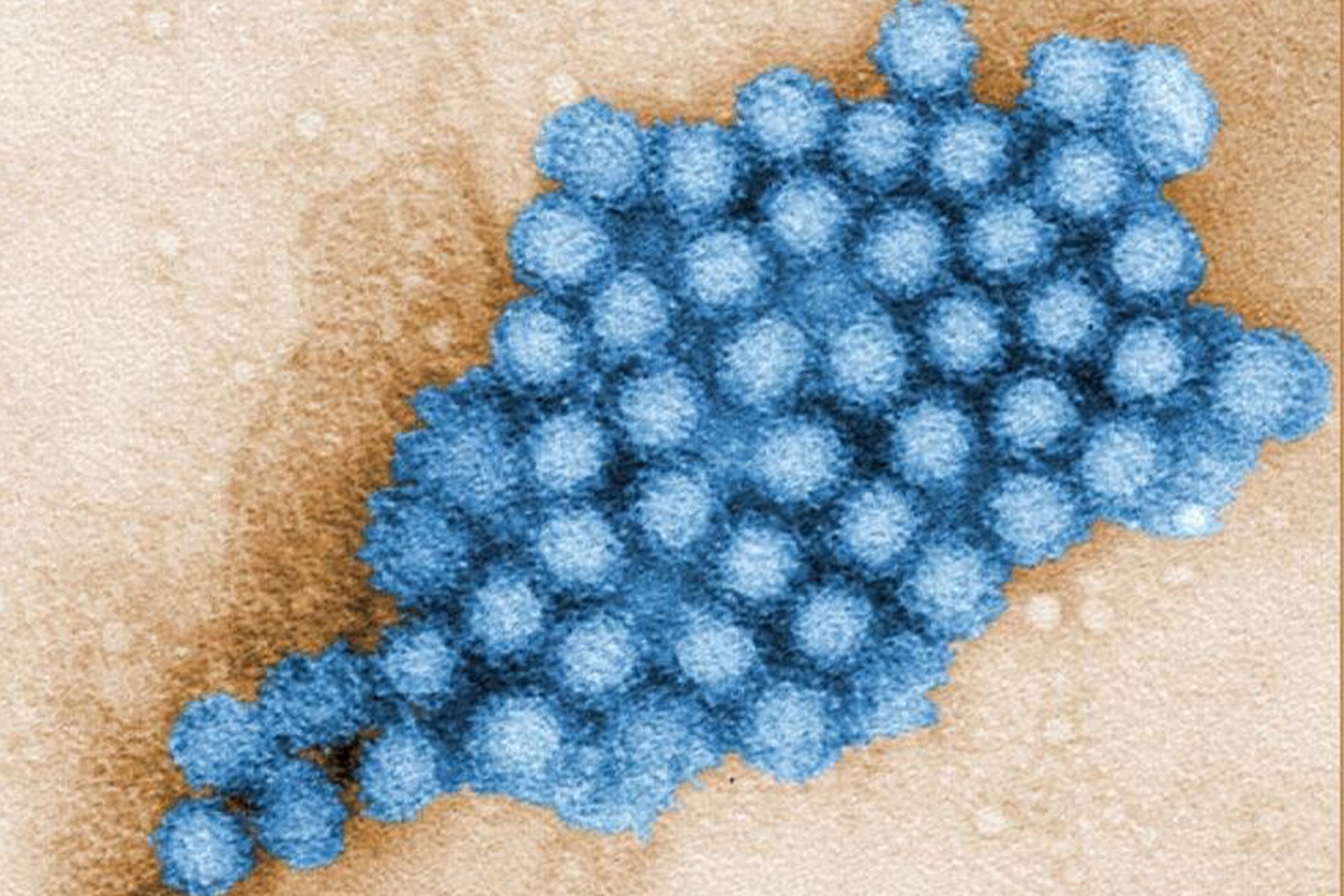
Research Identifies Key Antibodies for Development of Broadly Protective Norovirus Vaccine
Discovery brings us one step closer to vaccine and treatment for prevalent virus.
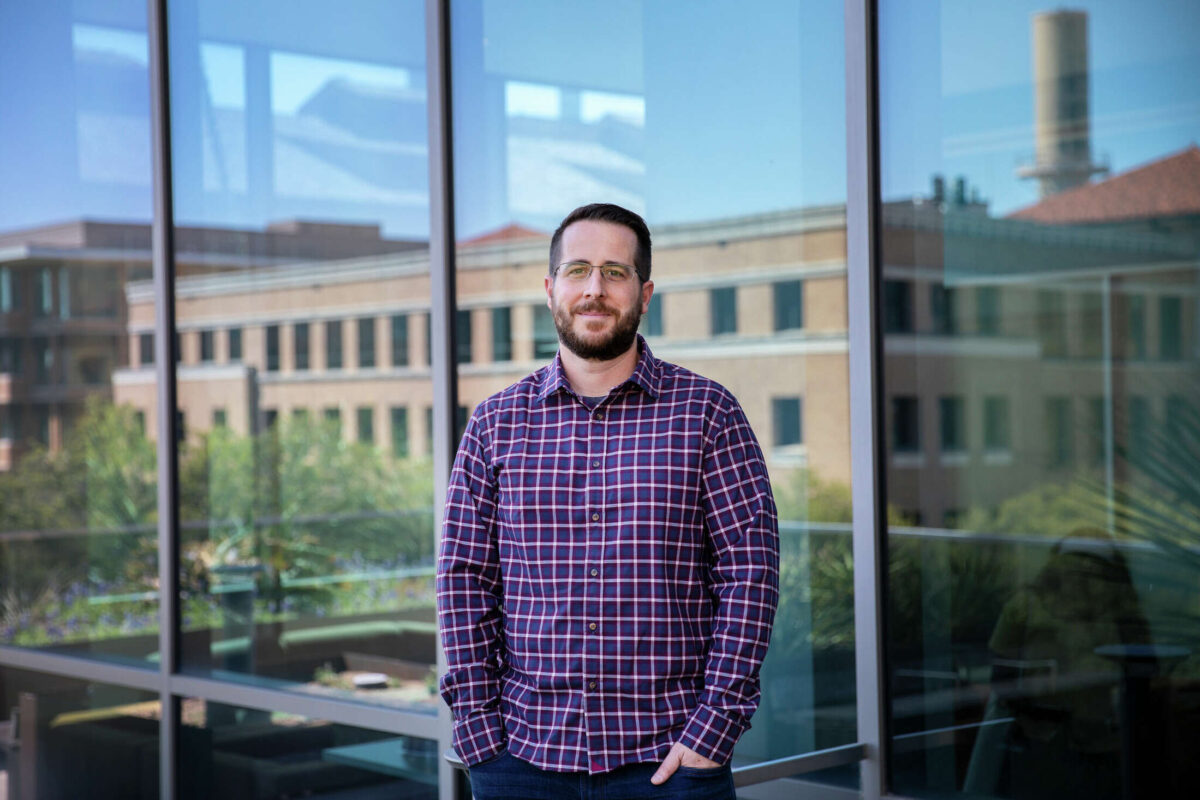
UT Vaccine Scientist Will Be Inducted Into National Inventors Hall of Fame
McLellan, who will be inducted in Washington, D.C. on May 8, is among the youngest new inductees in hall of fame history.
Newly Discovered Antimicrobial Could Prevent or Treat Cholera
Natural antimicrobials called microcins are produced by bacteria in the gut and show promise in fighting infection.

UT News
Newly Discovered Antibody Protects Against All COVID-19 Variants
Researchers have discovered an antibody able to neutralize all known variants of SARS-CoV-2, the virus that causes COVID-19, as well as similar coronaviruses.

AI Opens Door to Safe, Effective New Antibiotics to Combat Resistant Bacteria
Protein large language models identify ways to make antibiotics better at targeting dangerous bacteria, without being toxic to humans.
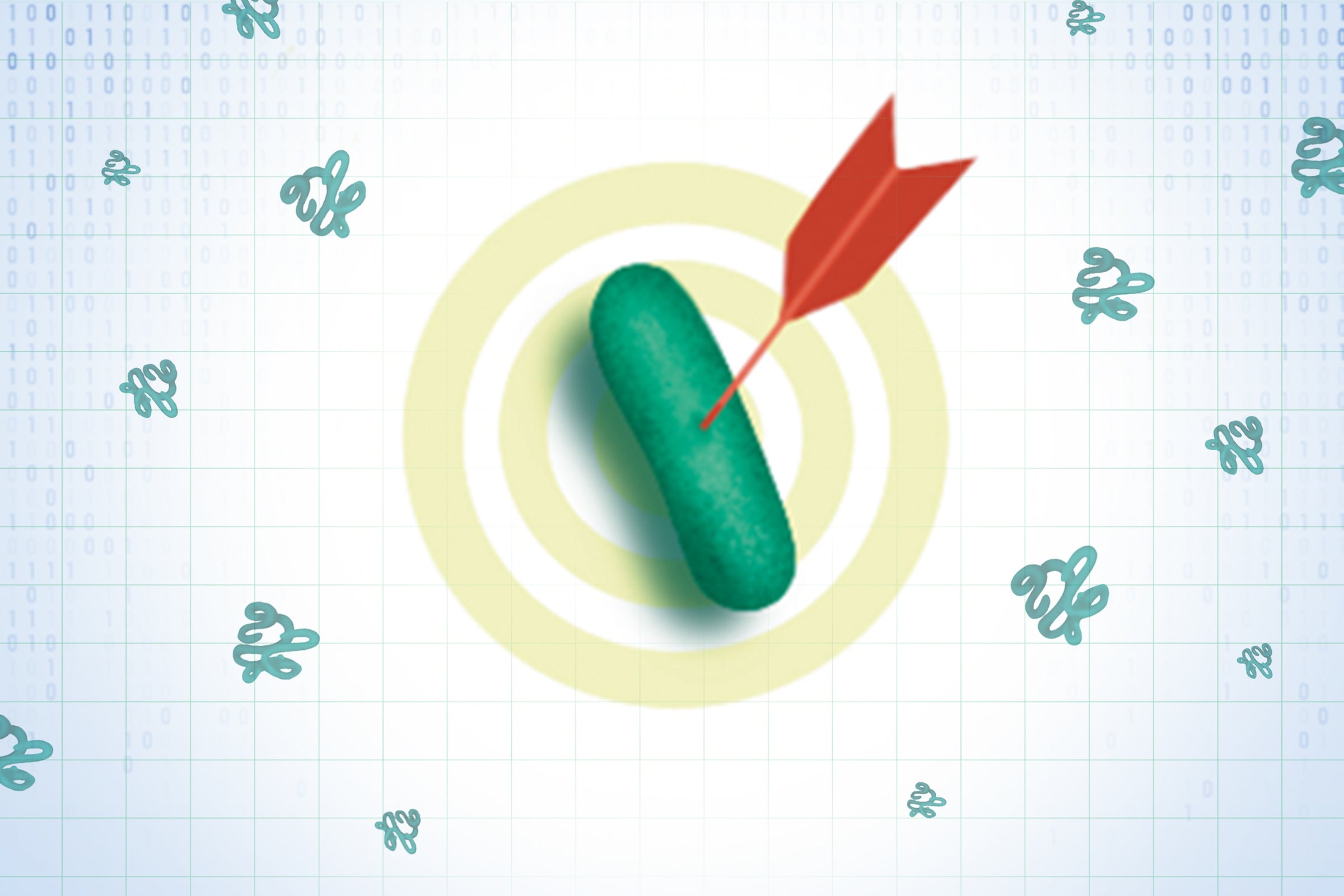
Alzheimer’s Drug Fermented With Help From AI and Bacteria Moves Closer to Reality
An innovative approach uses artificial intelligence and biosensors to pave the way for faster drug development.

UT News
Cancer Prevention, Screening and Research Programs Expanding With CPRIT Support
Yi Lu and Lauren Ehrlich of the College of Natural Sciences are among the cancer researchers with exciting projects on the horizon.